Viagens na Minha Terra by Almeida Garrett (1846), a wandering travel narrative by a writer who fought in the siege of Porto.
A Sibila by Agustina Bessa-Luís (1954), a major novel of northern Portuguese life.
Rich, Rare and Red: A Guide to Port by Ben Howkins, a standard introduction to the wine.
A Concise History of Portugal by David Birmingham, a clear overview of the national story.
Listen
Porto Sentido, a song by Rui Veloso with lyrics by Carlos Tê, often described as an anthem of the city.
The programme of the Orquestra Sinfónica do Porto Casa da Música, which you can hear in the Casa da Música itself.
The sounds of São João: festive street music, fireworks and the squeaky hammers, which you will only fully understand in person.
Films
Porto has long been a city for film. The director Manoel de Oliveira, who lived and worked in the city until he died aged 106, made quiet, formal films that often look at the city's bourgeois life and history, and his work is a good way to understand its self-image. Many other Portuguese films use the river and the old streets as a backdrop, and the Fantasporto festival has brought international genre cinema to the city for decades.
Music
The best place to start is the song Porto Sentido by Rui Veloso, with words by Carlos Tê, a nostalgic song often treated as a city anthem. Beyond that, the Casa da Música has a varied programme of classical, jazz and contemporary music, and the city's small venues host fado, indie and electronic acts. Fado belongs more to Lisbon and Coimbra, but you can hear it in Porto, too.
Reading
For a sense of place, Portuguese literature offers a long shelf. José Saramago, the Nobel Prize winner, wrote about Portugal's history and myths, and Fernando Pessoa, though a Lisbon poet, is part of the national conversation. The Porto-born writer Almeida Garrett was a key figure of Portuguese Romanticism and a liberal who took part in the events of the 1820s and 1830s. For history, look for English-language introductions to Portugal's past, which often cover the Porto story as part of the national one.
A few ways to listen
Ask a bookseller for a Portuguese novel in translation and read a chapter on a bench at the Palácio de Cristal.
Put on a playlist of Portuguese music while you walk down to the river.
Listen to the city itself: the bells of the Clérigos, the trams, the gulls and the hum of the bridge.
Watch a match in a café, and note the vocabulary.
Sources and further reading
Manoel de Oliveira filmography; Almeida Garrett, Viagens na Minha Terra (1846); Ben Howkins, Rich, Rare & Red: A Guide to Port; David Birmingham, A Concise History of Portugal.
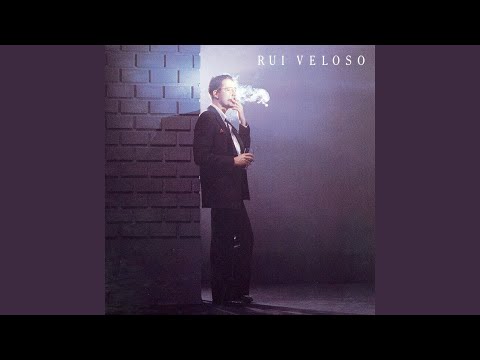 WatchRui Veloso, Porto SentidoThe song many in the city treat as an anthem, in its official release.